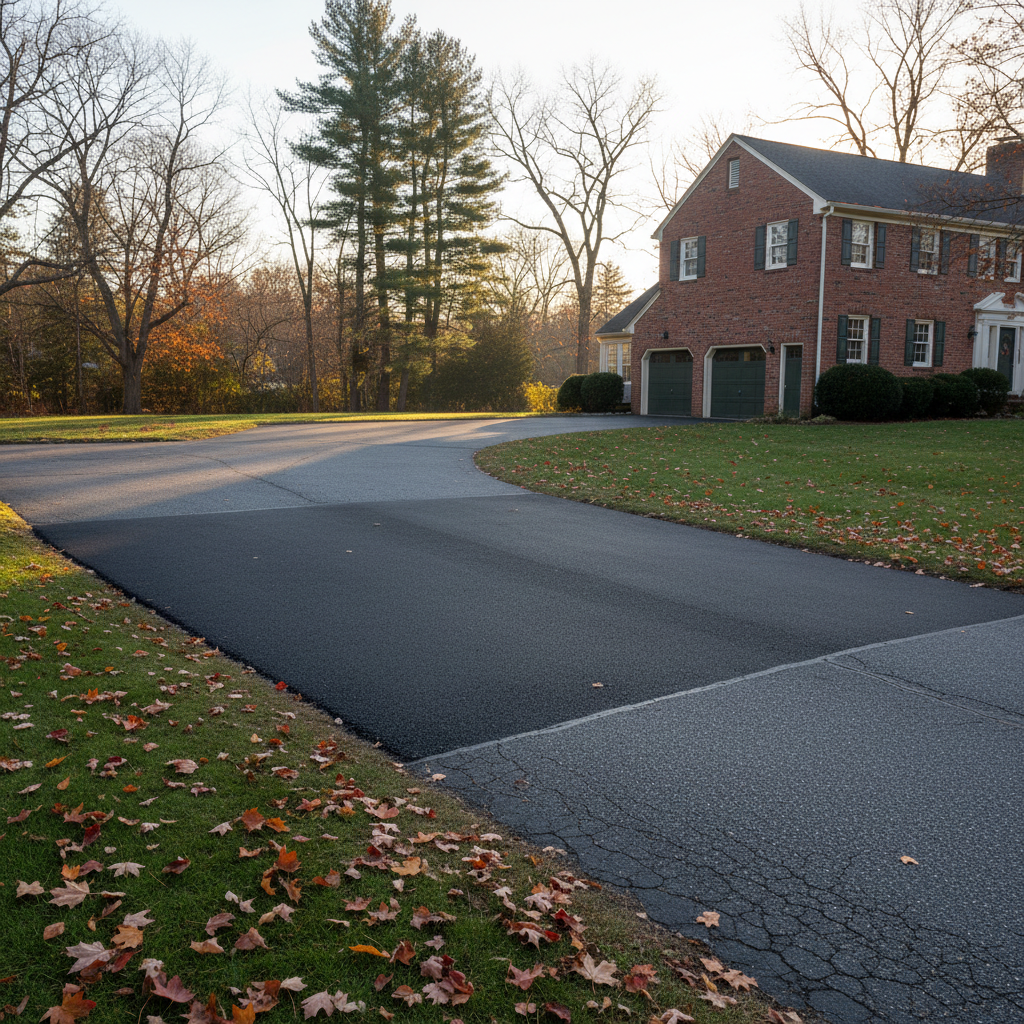
When's the Best Time to Patch Your Asphalt in Boston?
So, you've got a pothole, or maybe a spiderweb of cracks just keeps spreading across your driveway. You know it needs fixing, but when's the right time to get it done here in Boston? It's not just about when you first spot the damage; our local climate really dictates how well a patch will hold up. Believe me, I've seen plenty of patches fail because folks tried to do them at the wrong time of year.
Generally, you'll want to aim for spring, late summer, or early fall. Why then? It all boils down to temperature and moisture. Asphalt needs to be warm enough to be workable and to bond correctly, but not so hot that it's impossible to compact. And it absolutely cannot be wet or freezing.
Weather That Makes or Breaks a Patch
Let's get specific about the weather we're looking for, and what we're avoiding like a blizzard in January.
- Temperature is Key: For hot mix asphalt, which is what we use for those permanent, durable patches, the air temperature really needs to stay consistently above 50°F (10°C). Ideally, we're talking 60°F and up. If it's colder than that, the asphalt cools too quickly, making it tough to compact properly. And if it doesn't compact right, it won't be dense enough, meaning water will sneak in and lead to faster deterioration. Think about those cold snaps we often get in early spring or late fall – definitely not ideal for this kind of work.
- Dry Conditions are a Must: This one seems obvious, but people often overlook it. You simply can't patch wet asphalt. The surface has to be completely dry for the new asphalt to bond effectively. If there's any moisture, it creates a barrier, and your patch will just lift or crumble away. Even if it's not actively raining, a recently wet surface, or even high humidity, can cause problems. We really need a good stretch of dry weather leading up to and during the patching process.
- Avoid Extreme Heat: While warmth is good, scorching hot days can also be an issue. If it's 90°F and sunny, the asphalt can get too soft and sticky, making it difficult to work with and compact properly without displacement. It's a fine line, but usually, our Boston summers aren't *so* extreme that we can't find a good window.
- No Freezing Temps: This should be a given, but patching in freezing conditions is a total waste of time and money. Water expands when it freezes, and if there's any moisture trapped under or around the patch, it'll just pop right out. That's why we don't do permanent patching in the dead of winter.
Protecting Your Asphalt Investment Year-Round
Okay, so you've got your patches done right and on time. Now what? You want them to last, right? Here's how to protect your asphalt driveway and make those patches hold up against our brutal New England seasons.
- Keep it Clean: Sounds simple, but sweeping away leaves, dirt, and debris prevents moisture from getting trapped. We get a lot of tree cover in neighborhoods like Jamaica Plain and Newton, so this is a real factor. Standing water is asphalt's enemy, plain and simple.
- Address Small Cracks Early: Don't wait for a small crack to become a pothole. Crack sealing is a preventative measure that can save you a lot of money down the line. It keeps water out of the sub-base, which is crucial for preventing freeze-thaw damage.
- Mind Your Drainage: Make sure water isn't pooling on your driveway. If your gutters are overflowing onto the pavement, or if your landscaping directs water onto it, fix it. Proper drainage is one of the biggest factors in asphalt longevity.
- Sealcoating: This isn't just for looks. A good sealcoat, applied every 2-4 years depending on traffic and wear, protects your asphalt from UV rays, water penetration, and oil/gas spills. It's like sunscreen and a raincoat for your driveway. Just make sure the patches have had enough time to cure before you sealcoat over them – usually 30-90 days for hot mix, depending on conditions.
- Avoid Heavy Loads: Try not to park heavy equipment or vehicles on your asphalt for extended periods, especially during hot weather when the asphalt is softer.
- Shovel Carefully: When winter hits, be careful with snow shovels and plows. Don't dig into the asphalt surface. Use plastic-bladed shovels if you can, and make sure any plows have shoes set correctly.
Look, your driveway is a big investment. Taking care of it, and understanding when and how to get those patches done, will save you headaches and cash in the long run. If you've got questions about a specific spot or need a professional eye on your asphalt, don't hesitate to give Boston Paving Solutions a call. We're always happy to help our neighbors keep their driveways in top shape.