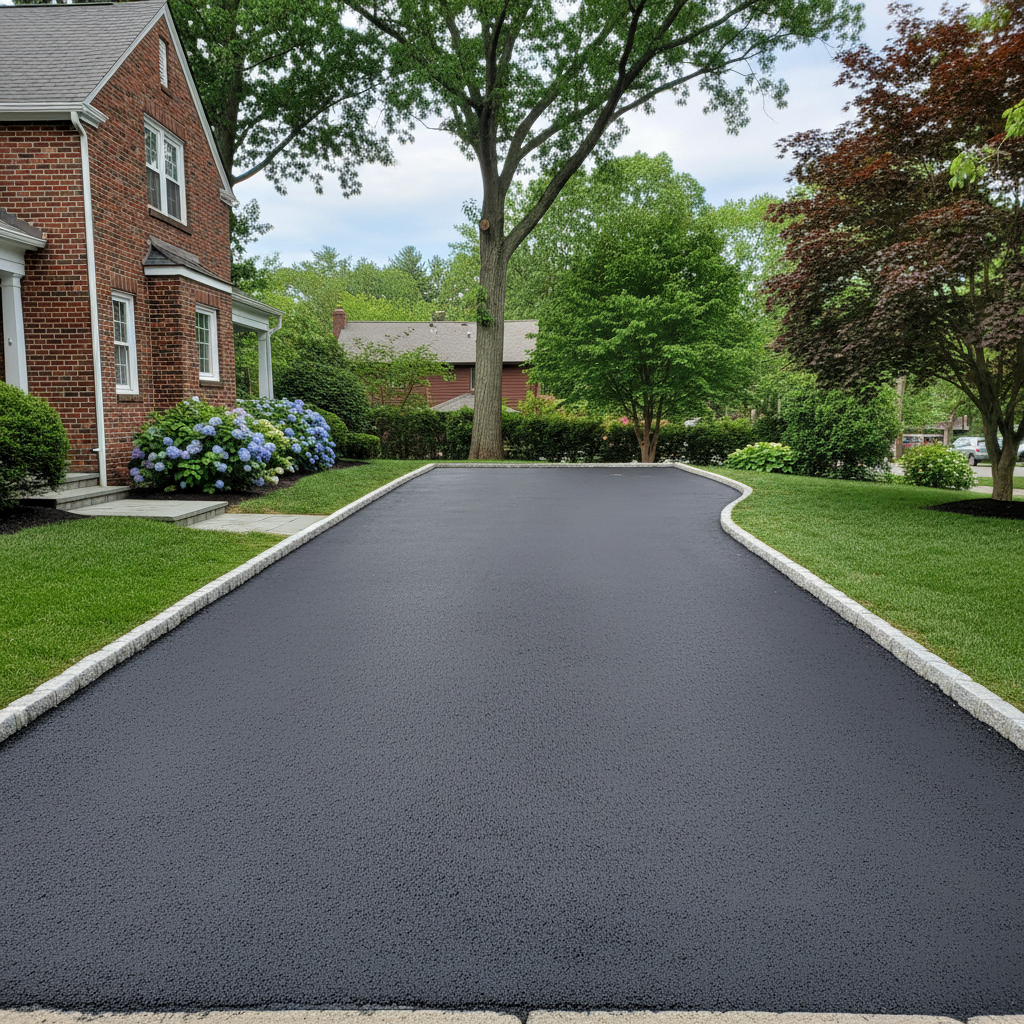
Alright, let's talk about sealcoating. It seems pretty simple, doesn't it? Just slop some black stuff on your driveway and call it a day. But I've seen enough messed-up jobs and unhappy homeowners around Boston to know it's rarely that easy. You'd be surprised how often people make the same few mistakes, and they almost always regret it later.
Mistake #1: Hiring the Cheapest Guy Without Asking Anything
This is probably the biggest one, a real classic. Someone knocks on your door, offers a super low price, says they're "just in the neighborhood," and suddenly there's a crew working on your driveway. Now, I'm all for saving money, but with sealcoating, a rock-bottom price usually means shortcuts. What kind of shortcuts, you ask? They might be using watered-down material, which won't last. Or they're skipping the proper prep work, like really cleaning the surface or filling cracks first. A cheap job now almost always means paying for another, more expensive job sooner than you'd like. Always ask what kind of material they're using, how many coats they'll apply, and what their prep process involves. If they can't give you straight answers, that's a big red flag.
Mistake #2: Not Getting How Much Prep Work Is Really Involved
Your driveway isn't just going to magically look amazing with a new coat of sealer if it's got weeds pushing through cracks or a thick layer of crud. Good preparation is absolutely essential. This means cleaning the surface really well — sweeping, blowing, and often power washing to get rid of dirt, oil stains, and loose bits. Then, any big cracks need filling. If you sealcoat over cracks without filling them, those cracks are still there, just hidden under a thin layer of sealer. They'll reopen, and water will get underneath, causing even more damage. We always make sure to handle these things at Boston Paving Solutions because we know it's the base for a job that actually lasts. Don't let anyone skip this step.
Mistake #3: Ignoring the Weather (or Letting Your Contractor Ignore It)
Boston weather is, well, Boston weather. One minute it's sunny, the next it's pouring rain. And temperature swings? Don't even get me started. Sealcoating needs specific conditions to cure right. Generally, you want temperatures to stay consistently above 50°F (and stay there for at least 24-48 hours after they put it down) and no rain in the forecast. If it's too cold, the sealer won't cure properly; it'll peel or wear off fast. If it rains too soon, it'll just wash away before it can bond. I've seen people get talked into a sealcoating job on a chilly, overcast day in late October, and it's a total waste of money every single time. Keep an eye on the forecast and don't let a contractor rush the job just to finish before bad weather hits.
Mistake #4: Not Giving It Enough Time to Cure
Once that fresh, black sealer is down, it looks so inviting, doesn't it? Like a brand new road. But seriously, resist the urge to drive on it too soon! Most sealers need at least 24-48 hours to cure properly before you can drive or park on them. If you pull your car onto it too early, you'll leave tire marks, scuffs, and possibly even pull up the sealer. And if you've got a heavy SUV or truck, that risk goes way up. It's a pain to park on the street for a couple of days, especially in some of our tighter neighborhoods like the North End, but it's crucial for the sealcoat's longevity. Ask your contractor for their specific cure time recommendations and actually stick to them.
Mistake #5: Not Getting a Written Estimate or Contract
This one goes hand-in-hand with that "lowest bidder" mistake. A verbal agreement might seem friendly, but it leaves too much open to interpretation. What exactly is included? How many coats? What's the total price? What about crack filling? Get it all in writing. Any good contractor will always give you a detailed estimate or contract that spells out the work, the materials they'll use, the cost, and payment terms. This protects both you and them. If someone is hesitant to put things on paper, that's a huge warning sign you really should pay attention to.
Look, sealcoating is a great way to protect your asphalt and keep it looking good for years. But you've got to go into it with your eyes wide open. Ask questions, understand the process, and don't be afraid to walk away from a deal that feels too good to be true. Your driveway (and your wallet, for that matter) will thank you for it.