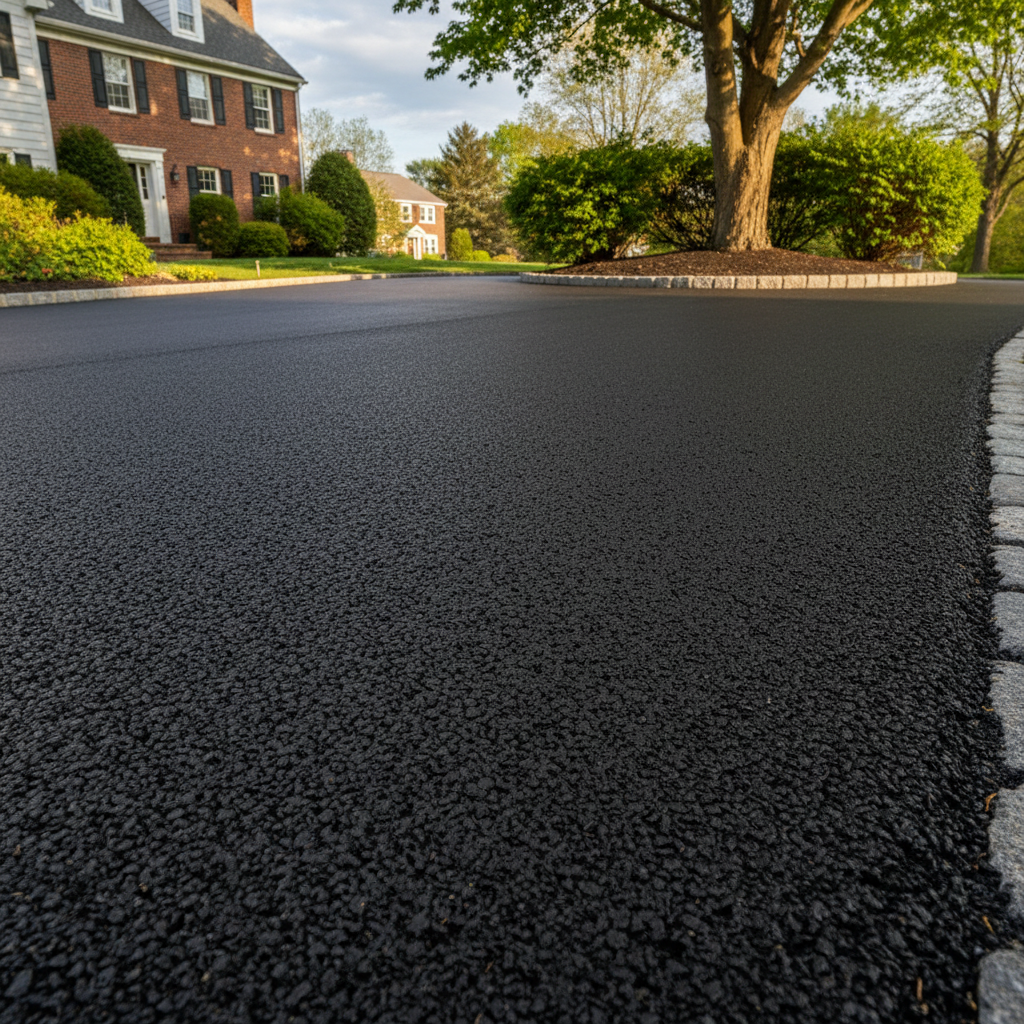
So, you're looking at your driveway and thinking it's time for a change, or maybe it's just seen better days. Residential asphalt paving isn't something most folks do every year, so it's natural to have questions, right? As a local contractor, I've seen it all, from perfect jobs to absolute nightmares. Let's talk about what you can realistically tackle yourself and when you absolutely need to call in the pros.
Before the Project: Planning and Prep
First off, what's the goal here? Are you putting in a brand-new driveway from scratch, or are you tearing out an old one and replacing it? This makes a huge difference in both cost and complexity. If it's new construction, you've got a blank slate, which is often easier than demolition. If you're replacing, you need to think about how that old material is getting out of there.
DIY Prep: What You Can Do
You can definitely do some legwork yourself before anyone even touches a shovel. Things like clearing the area of debris, marking out where you want the driveway to go, and making sure there aren't any hidden obstacles like old tree roots or sprinkler lines are all fair game. If you're just extending an existing driveway, you can often do the initial grading with a shovel and a rake, getting the ground roughly level. Just remember, 'roughly level' isn't 'perfectly graded' – that's a job for machinery, no doubt about it.
Another big one is drainage. Water is asphalt's worst enemy. Think about where the water goes when it rains. Does it pool up near your house? Does it run off into your neighbor's yard? You want a slight slope away from any structures, guiding water to a safe spot. You can sketch this out and even do some minor digging to get a feel for the lay of the land. But don't go crazy trying to engineer a perfect drainage system yourself; that's where the pros come in.
When to Call a Pro: Site Assessment & Permits
Before you even think about buying asphalt, you need a professional assessment. They'll look at your soil type – and believe me, Boston's soil can be tricky, especially in older neighborhoods with a lot of fill dirt. They'll check for proper sub-base requirements, drainage, and any potential issues with utility lines. They'll also know about local zoning laws and permits. You don't want to lay down a beautiful new driveway only to find out you violated a setback rule or didn't get the right permit from the city. That's a headache you definitely don't need. A good contractor, like us at Boston Paving Solutions, will handle all that permit stuff for you.
During the Project: Installation Insights
This is where the real work happens, and honestly, for most homeowners, this is 100% a professional job. Laying asphalt isn't like pouring concrete; it's a specialized process that requires heavy equipment, specific temperatures, and experienced hands.
DIY During Installation: Mostly Hands-Off
Your role during installation is mostly supervisory. Be available to answer questions, make sure access is clear for equipment, and keep pets and kids away from the work zone. You can watch, learn, and ask questions, but don't try to jump in and help with the paving itself. It's hot, heavy, and dangerous work if you don't know what you're doing.
When to Call a Pro: Everything Else
From the moment the excavators arrive to dig out the old material (if you're replacing), to the grading of the sub-base, compacting it, laying down the binder course, and finally applying and compacting the hot asphalt, it's all professional work. They've got the rollers, the pavers, the dump trucks, and the crew that knows how to operate them. Getting the right compaction, the correct thickness, and a smooth, even surface with proper drainage is an art and a science. Trying to do this yourself would be like trying to perform open-heart surgery with a butter knife.
After the Project: Care and Maintenance
Okay, the new driveway is down, it looks fantastic, and you're ready to enjoy it. But the work isn't entirely over. Proper care in the first few months, and ongoing maintenance, will significantly extend the life of your asphalt.
DIY Aftercare: You've Got This
The first 6-12 months are crucial. You need to be gentle. Don't park heavy vehicles on it for the first week or so. Avoid turning your steering wheel while your car is stationary; this can scuff and damage the new surface. Don't let heavy point loads, like the legs of a grill or a motorcycle kickstand, sit on it for too long, especially in hot weather. Use plywood under those if you have to. You'll also want to keep it clean. Sweep off dirt, leaves, and anything that can hold moisture against the surface. If you spill oil or gas, clean it up immediately; these chemicals break down asphalt.
When to Call a Pro: Sealcoating & Major Repairs
About 6-12 months after installation, you'll want to get your new driveway sealcoated. This protects it from UV rays, water, and chemicals. You can buy sealcoat at a home improvement store and try to apply it yourself, but honestly, it's a messy, back-breaking job to do right, and a professional application will always last longer and look better. They've got commercial-grade materials and equipment. After that, plan on sealcoating every 2-3 years, depending on traffic and exposure. If you notice significant cracks or potholes developing down the line, that's also a job for a professional. Small cracks can sometimes be filled with a good quality crack filler you can buy, but anything bigger than a quarter-inch wide or deep, or any widespread cracking, means it's time to call someone like us to assess the damage properly.
A well-installed and maintained asphalt driveway can last 20-30 years, even with our crazy New England weather. Do your homework, know your limits, and don't be afraid to bring in the experts when you need them. It'll save you a lot of grief and money in the long run.